The Ultimate Blueprint for Dominating Your Neighborhood Market
For local businesses, the target audience isn’t a vague demographic scattered across the globe. Instead, it consists of the exact people living, working, and driving right through your neighborhood.
Consequently, mastering local growth is the single most effective way to build a sustainable, highly profitable business. If you are ready to stop losing nearby clients to your competitors, you need a precise strategy.
Here is your ultimate blueprint for establishing local authority, optimization, and community dominance.
Phase 1: Claim and Optimize Your Digital Front Door
Before you print a single flyer or run an ad, you must ensure that nearby customers can actually discover you online when they search for your services.
Complete Your Google Business Profile
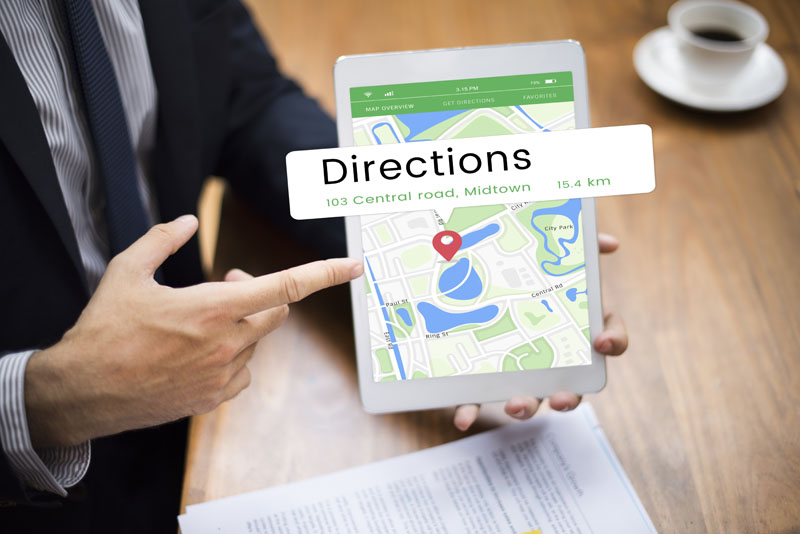
First and foremost, your Google Business Profile (formerly Google My Business) is your absolute most valuable local asset. Ensure your business name, address, and phone number (NAP data) are 100% accurate and perfectly mirror your legal registration. Furthermore, select the exact right primary category for your industry to ensure you show up in local map packs.
Optimize for Hyper-Local Keywords
When structuring your website content, don’t just target general industry keywords. Specifically, integrate your neighborhood, city, and regional landmarks into your text and meta descriptions. For example, instead of targeting “Custom Web Design,” optimize your pages for “Web Development Agency in Bacolod City.”
Cultivate a Consistent Review Engine
Reviews are the lifeblood of local search algorithms and consumer trust. Therefore, make it a standard part of your workflow to ask every single satisfied customer for a Google review. You can make this effortless by generating a direct short-link and placing it on your digital invoices or automated follow-up emails.
Phase 2: Hyper-Local Content & Targeted Outreach
Once your foundational profiles are locked down, you need to actively demonstrate to both Google and your community that you are the go-to authority in the area.
Craft Location-Specific Content
Create blog posts, case studies, or resource guides tailored specifically to local challenges, events, or community projects. This strategy proves to search engines that your business is deeply relevant to the geographic area, which naturally boosts your local rankings.
Leverage Strategic Local Sponsorships
Sponsoring local sports teams, charity events, or neighborhood business associations is excellent for brand awareness. Additionally, it provides powerful local SEO benefits. These sponsorships frequently earn you high-quality backlinks from trusted local community websites, signaling massive geographic authority to Google.
Phase 3: Unleash Precision Local Advertising
Organic visibility takes time to mature. If you want to accelerate your neighborhood dominance immediately, you need to back your organic efforts with targeted local ad campaigns.
Deploy Geofenced Social Media Ads
Both Facebook and Instagram allow you to drop a pin directly on your physical location and run ads exclusively to users within a strict 1-to-5-mile radius. Use this precision targeting to run highly specific, neighborhood-only promotions that generic corporate competitors cannot replicate.
Run Google Local Services Ads (LSAs)
Depending on your industry, Local Services Ads appear at the absolute top of Google search results—even above traditional paid ads. Because you only pay per actual lead rather than per click, LSAs represent one of the highest-ROI paid marketing channels available for localized businesses.
Let Keprint Media Build Your Local Growth Engine
Dominating your neighborhood market requires a continuous, coordinated effort across design, local SEO optimization, and hyper-targeted ad management. While you focus on delivering exceptional service to your clients, let the experts handle the technical heavy lifting.
Keprint Media is a dedicated digital marketing agency specializing in transforming local businesses into household names.
How We Put Your Business on the Map:
Hyper-Local SEO Optimization: We optimize your website architecture, build clean local citations, and manage your Google Business footprint to ensure you dominate local search results.
High-Converting Websites: We build lightning-fast, mobile-responsive platforms designed specifically to turn neighborhood search traffic into paying customers.
Precision Paid Campaigns: We design and monitor localized ad funnels that maximize your visibility while protecting your marketing budget.
Don’t let your competitors capture the customers right outside your door. It’s time to claim your territory.
Ready to own your local market?
Connect with Keprint Media today for a strategic consultation, and let’s turn your neighborhood into your primary revenue driver.